
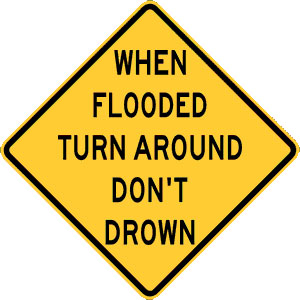
Turn Around Don’t Drown®
Each year, more deaths occur due to flooding than from any other thunderstorm related hazard. People underestimate the force and power of water.
- Never drive around the barriers blocking a flooded road. The road may have collapsed under that water.
- A mere 6 inches of fast-moving flood water can knock over an adult. It takes just 12 inches of rushing water to carry away most cars and just 2 feet of rushing water can carry away SUVs and trucks.
- It is NEVER safe to drive or walk into floodwaters.
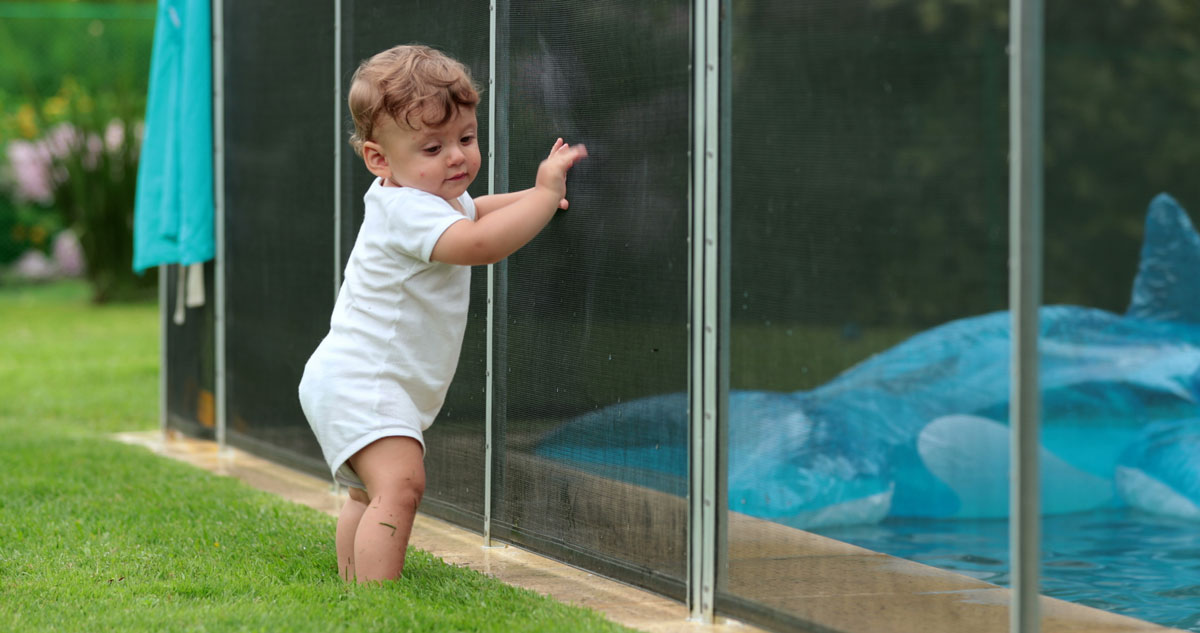
Home Pool & Hot Tub Safety
69% of young children who drown were not expected to be in or near water – learn how to reduce the risks.
- Secure your pool with appropriate barriers.
- Designate a water watcher and stay in arm’s reach of young children.
- Install anti-entrapment drain covers and safety release systems to protect against drain entrapment.
- If a child is missing, check the water first.
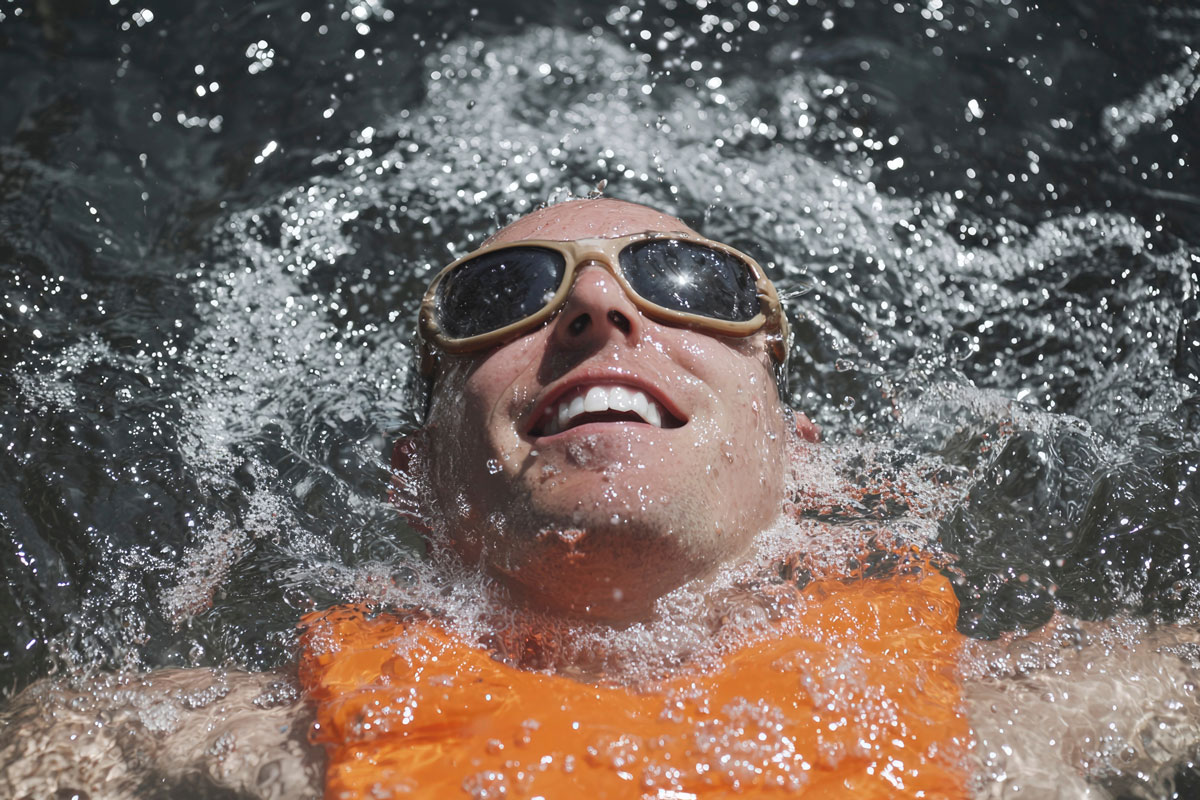
Swimming Safely in Lakes, Rivers & Streams
Swimming in natural water environments is more challenging than home pools.
- Be sure you are water competent for natural environments before swimming – this is not your home pool!
- Always enter unknown or shallow water feet first.
- Watch out for currents, waves, and underwater obstructions – they’re not just found in the ocean.
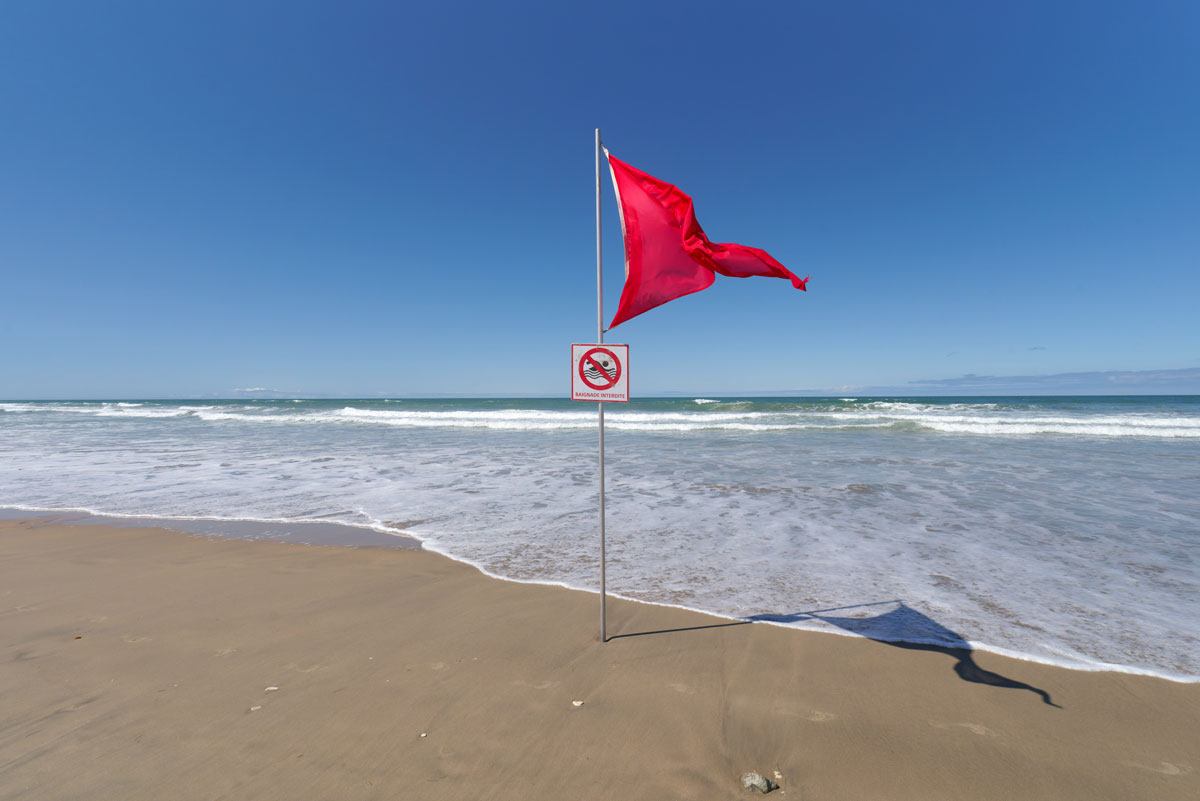
Swimming Safely at the Beach
Learn how to reduce the risks so your family can enjoy swimming in open water.
- Always swim in a lifeguarded area.
- Never swim alone, regardless of your age or level of swimming skills.
- Keep within your fitness and swimming capabilities.
- Be aware of weather and water conditions and heed warnings.
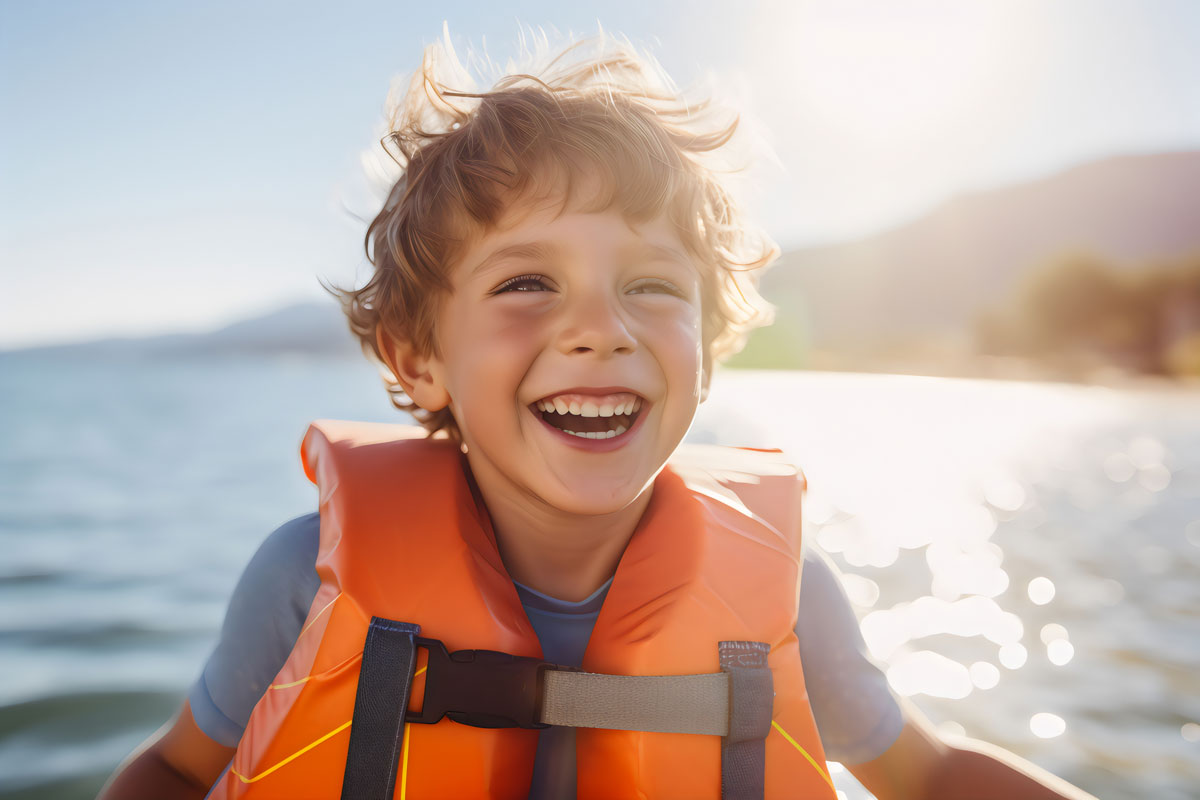
Boating Safety
Stay safe by being prepared and using the appropriate equipment, whether enjoying a ride on a motorized boat or operating a personal watercraft.
- Always wear a life jacket. (Children younger than age 13 must wear a U.S. Coast Guard approved Personal Flotation Device.)
- Avoid alcohol.
- Operate at a safe speed.
- Enroll in a boater education class.
- Don’t overload your boat.
- Always have a passenger serve as a lookout in addition to the operator.
- Watch out for low water areas or submerged objects.